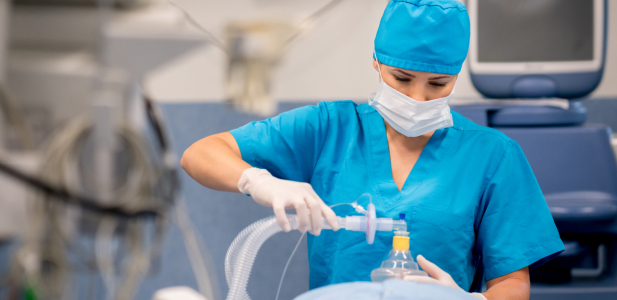
The Anaesthesiology Department at Saroj Super Speciality Hospital is dedicated to helping patients manage pain during surgery, providing critical care, and offering support throughout the process. We use advanced technology and focus on patient well-being, making us a vital part of the hospital. Our team works across different areas to care for patients before and after surgery, ensuring they feel comfortable and supported.
Our team of anaesthesiologists, led by experienced professionals, specializes in administering anaesthesia, managing critical care, and relieving pain. Our main aim is to keep patients safe and comfortable. By staying updated with the latest practices, we maintain the highest standards of care, earning the trust of both patients and colleagues.
1. Local Anaesthesia: method involves injecting a local anaesthetic near the surgical site to ensure the patient's comfort and pain relief. It may be administered alone or combined with sedation or general anaesthesia, depending on the surgery's duration and the patient's preference. Typically used for minor procedures like skin lesion removal or toenail repair surgery.
2. Regional Anaesthesia: Regional anaesthesia entails injecting a local anaesthetic around major nerve bundles supplying specific body regions such as the hand, forearm, shoulder, abdomen, thighs, or ankle. It is often guided by tools like ultrasound or nerve stimulators. This technique results in numbness and tingling in the targeted area, making movement difficult. Common types include spinal and epidural anaesthesia.
3. Sedation: Sedation involves reducing a patient's level of consciousness while allowing them to respond to light touch and verbal commands during a procedure. Medications such as benzodiazepines and opioids are commonly used for sedation to provide pain relief and relaxation.
General Anaesthesia: This method induces a state of controlled unconsciousness in patients undergoing surgery. Patients under general anaesthesia do not respond to pain sensations, and the anaesthetic may affect their breathing and circulation. Anaesthetists closely monitor patients throughout the procedure, managing their airways, circulation, and overall well-being.