Too Much AC Exposure: Is It Affecting Your Lung Health?
March 25, 2026Reading Time : 8 Minutes
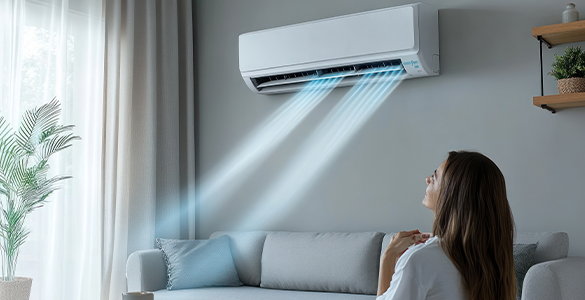
On a hot summer day, walking into an air-conditioned room feels like instant relief. Air conditioners help us stay comfortable at home, at work, in shopping malls, and even while travelling. But if you spend most of the time in air-conditioned spaces, you may sometimes notice symptoms like sneezing, a dry throat, coughing, or mild breathing discomfort.
While many people worry about their effects, air conditioners themselves do not cause lung damage. However, poor maintenance, dirty filters, dry indoor air, and inadequate ventilation can affect indoor air quality and may irritate the respiratory system. People with asthma, allergies, or chronic lung diseases are usually more sensitive to these conditions.
Let’s understand how prolonged exposure to poorly maintained air-conditioned environments may affect your lungs and what you can do to stay healthy.
How Air-Conditioned Environments Can Affect Your Respiratory Health
Dry Air Can Irritate Your Airways
Air conditioners remove moisture from indoor air. When the air becomes too dry, it can result in conditions like dry nose and throat, causing irritation, a scratchy throat, or a dry cough. Low humidity may also reduce the effectiveness of the natural protective lining of the airways, making some people more vulnerable to irritation and certain respiratory infections.
Dirty Filters Can Affect Indoor Air Quality
Most air conditioners recirculate indoor air. If filters are not cleaned or replaced from time to time they can collect dust, pollen, pet dander, and other allergens. In damp conditions, mould and other microorganisms may also grow inside the system. These particleshave higher chances of circulationthrough the room and trigger allergies or worsen breathing problems in sensitive individuals.
Cold, Dry Air May Trigger Symptoms
Sudden shifts between hot outdoor temperatures and chilly indoor spaces may trigger coughing or cause the airways to narrow in some individuals, especially those with asthma.Very low AC temperatures can also make breathing feel uncomfortable for those with sensitive airways.
Hypersensitivity Pneumonitis
In most cases, repeated exposure to mould or other biological particles from poorly maintained air-conditioning or ventilation systems can lead tohypersensitivity pneumonitis. This is an immune-related lung condition that causes inflammation of the tiny air sacs (alveoli) in the lungs. Although it is rare, early diagnosis and treatment are important to prevent long-term lung damage.
Worsening Lung Condition
Peoplewith asthma, chronic obstructive pulmonary disease (COPD), allergic rhinitis, or other respiratory conditions may notice worsening symptoms when exposed to cold, dry air or poor indoor air quality. They may experience increased coughing, wheezing, chest tightness, or difficulty breathing.
Common Symptoms You Should Not Ignore
If you spend long hours in air-conditioned environments, you may notice:
These symptoms are typically mild and temporary. However, continuous or severe symptoms should be assessed and treated by a doctor recover from any underlying respiratory condition.
Simple Ways to Protect Your Lung Health
You don’tneed to avoid using air conditioners. Instead, use them wisely andmaintain a healthy indoor environment.
When Should You See a Pulmonologist?
Occasional throat irritation or sneezing is usually not a cause for concern. However, you should seek medical advice if you experience:
A pulmonologist in Rohini can identify whether your symptoms are related to allergies, asthma, infection, poor indoor air quality, or another lung condition.
Take Care of Your Lungs This Summer
Air conditioners are an essential part of daily life during North India’s hot summers. For most healthy people, using AC is perfectly safe when it is properly maintained. The real concern is not the air conditioner, but poor maintenance, inadequate ventilation, and unhealthy indoor air quality.
AtSaroj Super Speciality Hospital, one of the best hospital in Pitampura, our respiratory specialists help diagnose and treat a wide range of lung and breathing conditions. If you have persistent cough, breathing difficulty, or recurring respiratory symptoms, timely evaluation can help identify the cause and prevent complications.